Sloane Square upholstery cleaning tips for SW3 flats
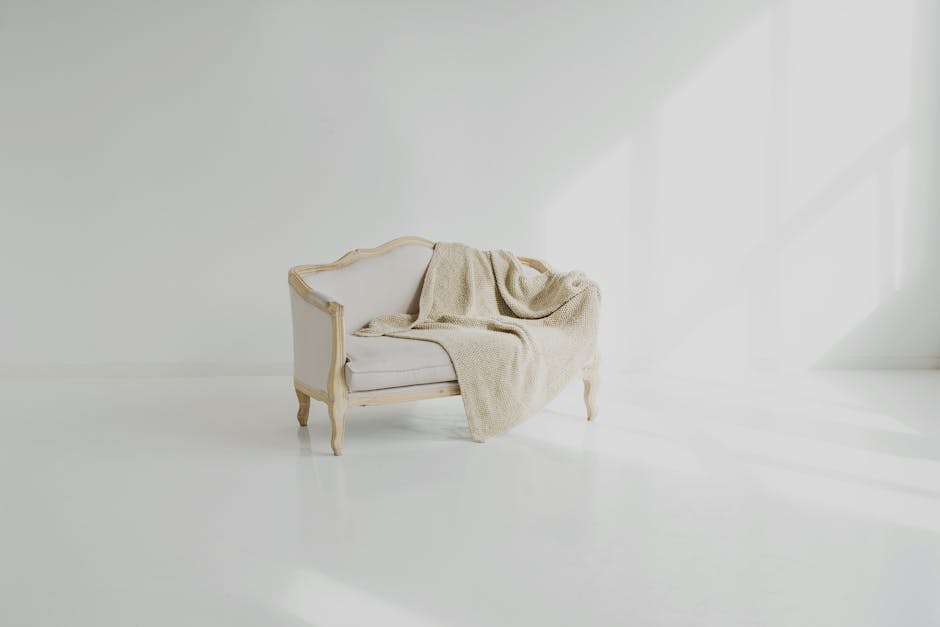
If you live in a SW3 flat near Sloane Square, you already know the small stuff matters. A splash of tea on a pale armchair, pet hair hiding in a sofa crease, or that slightly damp smell after an overenthusiastic DIY clean can feel bigger in a compact London home than anywhere else. These Sloane Square upholstery cleaning tips for SW3 flats are designed to help you keep fabric furniture looking sharp without turning your living room into a wet, soapy mess.
In this guide, you'll find practical cleaning steps, fabric-safe habits, common mistakes to avoid, and a sensible way to decide when to handle a stain yourself and when to bring in professional help. We'll also look at the realities of SW3 living: limited drying space, busy schedules, shared entrances, and the very normal wish to keep nice furniture looking nice. Nothing fancy. Just useful, calm advice.
Expert summary: The best upholstery cleaning in SW3 flats is usually the least aggressive approach that still solves the problem. Test first, use minimal moisture, dry fast, and match the method to the fabric. That simple rule saves a lot of grief.
Why these upholstery cleaning tips matter in SW3 flats
Sloane Square flats tend to combine style with practicality, and upholstery sits right in the middle of that balance. Sofas, dining chairs, ottomans and cushions take daily wear from coffee, makeup, food crumbs, city dust, and the occasional rainy-day spill when you come in with a damp coat and forget where you put it. The furniture looks fine at first, then one day it doesn't.
What makes SW3 different is the living environment. Flats are often compact, which means furniture gets used more intensively. There may be less open space for drying, fewer storage options for protective covers, and more concern about noise, ventilation and access while cleaning. That's why a one-size-fits-all approach rarely works. You need techniques that are careful, fast-drying, and suitable for apartment life.
There's also the value side of it. Upholstery is not cheap to replace, and good furniture usually holds up well if cared for properly. A steady cleaning routine can help extend fabric life, reduce odours, and keep fibres from becoming matted or permanently stained. In a flat where the sofa is effectively the centre of the room, that matters a lot. Let's face it, the sofa is often where life happens.
If you're already thinking beyond the occasional spot clean, it can help to understand the wider fabric-care picture too. A professional upholstery cleaning service can be the sensible next step for delicate materials, heavy staining, or end-of-tenancy situations where presentation matters.
How upholstery cleaning works in a Sloane Square flat
Good upholstery cleaning is not just about making a seat look brighter. It is about removing soil, liftable residue, and odour without damaging the fabric, padding, stitching or dye. In practice, the process usually starts with identification: what is the fabric, what is the stain, and how much moisture can the item tolerate?
That first bit matters more than many people think. A wipe-down that works on a synthetic dining chair might leave water marks on velvet, shrinkage on natural fibres, or a tide line on a blend. If the care label says dry clean only, that is not decorative advice. It's the manufacturer telling you the cleaning method should be restrained. A little boring, yes, but useful.
For most flats, a sensible process looks like this: vacuum thoroughly, treat one small area at a time, use a fabric-safe solution, blot rather than scrub, then dry the item quickly. More advanced methods, such as hot water extraction or steam-based cleaning, are usually reserved for suitable fabrics and situations where the moisture load can be controlled. If you choose a professional route, pairing upholstery care with sofa cleaning is often the most practical option for larger pieces that need even treatment.
In a flat, airflow is part of the system. Open windows where possible, keep the room warm but not stuffy, and don't pile cushions back on too early. Damp upholstery attracts dust and can start smelling musty, especially in older SW3 buildings with less forgiving ventilation. Not glamorous, but true.
Key benefits and practical advantages
When upholstery is cleaned properly, the benefits show up in small everyday ways rather than dramatic before-and-after photos. The room smells fresher. Colours look less tired. The fabric feels less gritty. You stop avoiding that one cushion because of the faint mystery mark on the armrest.
- Better appearance: lifts everyday dirt and makes furniture look cared for.
- Longer fabric life: grit and embedded soil abrade fibres over time, so cleaning helps preserve them.
- Reduced odours: useful if you cook often, have pets, or live in a smaller flat where smells linger.
- Improved comfort: clean fabric simply feels more pleasant to sit on.
- Better support for move-outs: tidy upholstery can help a flat present well during inspections or handovers.
There's another quiet benefit: confidence. People often buy beautiful furniture and then become oddly nervous about using it. That's a shame. Good care makes a home more liveable, not more fragile. A few smart habits keep the sofa part of real life instead of a museum piece.
If your home gets regular traffic, a simple upkeep schedule can help. That might mean vacuuming once a week, dealing with spills on the same day, and booking a deeper refresh a few times a year. For many households, aligning upholstery care with regular cleaning makes the whole flat easier to manage.
Who this is for and when it makes sense
These tips are useful for renters, owners, landlords, and anyone in charge of keeping a SW3 flat looking presentable. They are especially relevant if you have light-coloured fabrics, pets, children, visitors, or simply furniture you'd like to keep for longer than a couple of years. Which, honestly, is most people.
You may also need upholstery cleaning if you are:
- preparing for an end-of-tenancy check
- moving into a new flat and want a fresh start
- getting ready for guests, tenants, or short-stay visitors
- dealing with food, drink or pet stains
- trying to reduce dust or allergy-triggering debris
- refreshing a sofa after winter, building works, or a busy hosting period
For flat owners and landlords, presentation matters because fabric furniture is one of the first things people notice. For tenants, it matters because leaving stains behind is a fast way to invite awkward conversations. If your situation overlaps with a tenancy change, end of tenancy cleaning can be a helpful companion service, especially where upholstery and soft furnishings need attention alongside the rest of the flat.
Step-by-step guidance
1. Identify the fabric before you touch it
Check the manufacturer label if there is one. Common codes and care notes may indicate whether a fabric can tolerate water-based cleaning, solvent-based cleaning, or only professional treatment. If there is no label, test cautiously on a hidden patch. A back corner or lower rear seam is usually safer than the visible front.
2. Vacuum properly first
Use a soft brush attachment and work into seams, buttons, piping, and under cushions. Dry debris causes friction, and friction is the enemy of nice upholstery. Vacuuming also stops dirt from becoming muddy the moment moisture is introduced.
3. Deal with the spill quickly
Fresh spills are much easier than old ones. Blot with a clean white cloth. Don't rub in circles like you're trying to polish it into oblivion. That usually spreads the stain and fuzzes the fibres. Use gentle pressure and work from the outside of the mark inward.
4. Use the mildest suitable cleaning solution
For many synthetic fabrics, a small amount of upholstery-safe cleaner or diluted mild detergent may be enough. For delicate or natural materials, be conservative. Too much product can leave residue, and residue attracts dirt. If the fabric is sensitive, less really is more.
5. Work in small sections
Clean one seat cushion, one armrest, or one panel at a time. That helps you control moisture and prevents visible patchiness. In a flat, where drying space is limited, small sections also make life simpler.
6. Remove cleaning residue
If the product instructions allow, lightly dampen a cloth with clean water and blot the treated area to lift leftover cleaner. This step is easy to skip, but it often improves the final finish and reduces a sticky feel.
7. Dry the item thoroughly
Use airflow, not heat-blasting. Open the windows if weather allows, turn on a fan, and keep cushions separated so air can circulate. Some fabrics may need several hours to dry properly. If the room feels cold and damp, drying slows down fast.
8. Fluff, reset and reassess
Once dry, brush or gently reshape the pile if needed. Check for rings, odours or stiffness. If the stain is still visible, stop and reassess rather than repeatedly soaking the same spot. That is how small issues become bigger ones.
Expert tips for better results
There are a few habits that separate a decent tidy-up from a result that actually lasts. They are not glamorous, but they work.
- Always test first. Even "safe" cleaners can react badly with certain dyes or finishes.
- Use white cloths. Coloured cloths can transfer dye, especially on damp fabric.
- Keep moisture controlled. A slightly damp cloth is often enough. Soaked upholstery is a headache.
- Ventilate early. Don't wait until the furniture smells musty; keep air moving from the start.
- Protect against repeat staining. Consider throws or washable covers in high-use homes.
- Think about the room, not just the seat. If windows, curtains, and nearby carpets are dusty, upholstery will pick that up again quickly.
A small but valuable tip: if a stain has a smell as well as a mark, deal with the odour source too. Otherwise you can clean the visible patch and still be left with the lingering issue. For pet-related problems, pet stain and odour removal is often the more appropriate route than a standard spot clean.
And if the furniture is part of a larger refresh, don't ignore the other soft surfaces. A room with freshly cleaned upholstery but dusty drapes can still feel slightly off. That's why many people pair it with curtain cleaning or a broader deep cleaning visit.
Common mistakes to avoid
Most upholstery damage comes from overconfidence, not bad intentions. A person sees a stain, grabs the nearest spray, and gives it a good go. Four minutes later the patch is bigger. Happens all the time.
- Rubbing too hard: this pushes dirt deeper and can roughen the pile.
- Using too much water: it can lead to rings, slow drying, and mildew smells.
- Skipping the test patch: one small hidden test can save a whole sofa.
- Mixing products: this can create residue or unpredictable reactions.
- Ignoring the care label: the label is not there for decoration.
- Drying too slowly: leaving upholstery damp in a closed flat is asking for trouble.
- Assuming all stains are the same: coffee, grease, ink and wine behave very differently.
One more thing. Avoid trying to "improve" a stain by repeatedly applying more cleaner because the first attempt didn't work instantly. Some stains need dwell time, but overworking the area usually does more harm than good. Patience. Annoying, yes. Still useful.
Tools, resources and recommendations
You do not need a van full of equipment to care for upholstery in a SW3 flat. A modest, well-chosen kit is usually enough for everyday maintenance.
| Tool | Why it helps | Best use |
|---|---|---|
| Soft brush vacuum attachment | Lifts dust without being harsh on fabric | Weekly maintenance and seam cleaning |
| White microfibre cloths | Safe for blotting and residue removal | Spot treatment and drying |
| Fabric-safe upholstery cleaner | Helps lift everyday stains | Synthetic or label-approved fabrics |
| Fan or good airflow | Speeds drying in compact flats | After spot cleaning or full cleaning |
| Soft upholstery brush | Refreshes pile and helps remove surface dust | Velvet, chenille, and textured fabrics |
If the task feels too involved, or if the furniture is expensive, antique, or heavily stained, it may be better to book a professional visit rather than experimenting. For larger items and deeper soil, steam carpet cleaning is not the same service as upholstery care, but it can be useful if the room as a whole needs a refresh and floor-to-furniture dust is part of the problem.
For people managing whole-home upkeep, it may also make sense to think in terms of a broader domestic plan rather than one-off interventions. Services like domestic cleaning and house cleaning can support a cleaner environment overall, which in turn helps upholstery stay cleaner for longer.
Law, compliance, standards and best practice
Upholstery cleaning in a private flat is usually a practical maintenance task rather than a regulated trade in itself, but there are still sensible standards to follow. The main ones are safety, product suitability, and fairness if you are a landlord, tenant, or managing agent arranging the work.
In the UK, the most reliable approach is to follow the furniture manufacturer's care instructions where available, and to use cleaning products according to their labels. If a product says not to saturate the fabric, do not saturate the fabric. If a fabric is marked for professional cleaning only, that instruction should be treated seriously. That is just good practice, not bureaucracy.
For landlords and agents, upholstery condition can become part of broader property handover expectations. For tenants, it is wise to avoid cleaning methods that could create damage and lead to disputes later. If there is any doubt, document the item before cleaning it and keep product details somewhere sensible. Boring admin, but it can save awkwardness.
Health and safety matters too. Keep cleaning liquids away from children and pets, ventilate rooms properly, and avoid mixing cleaning chemicals. If you are planning a larger clean that includes access through communal spaces or shared entrances, it can help to be considerate about equipment, noise and drying setups. That's normal flat-life etiquette in London, really.
Methods and comparison
Different upholstery-cleaning methods suit different fabrics and situations. There isn't one perfect answer, which is why a quick comparison helps.
| Method | Best for | Pros | Watch-outs |
|---|---|---|---|
| Vacuuming and dry brushing | Routine upkeep | Fast, safe, low-moisture | Won't remove set stains |
| Spot blotting with mild cleaner | Fresh spills and small marks | Cost-effective and targeted | Test first; avoid over-wetting |
| Full hand-cleaning | General refresh of suitable fabrics | Good control in a flat | Can leave rings if rushed |
| Professional extraction or specialist cleaning | Heavy soil, deep odour, delicate items | More thorough and consistent | Needs correct fabric match and drying plan |
For some flats, especially smaller ones where drying space is limited, professional cleaning makes more sense because the equipment, process and drying plan are all handled in one visit. If your furniture is part of a bigger refresh, you might also compare it with one-off cleaning when the whole flat needs a reset rather than a maintenance tidy.
Case study or real-world example
Here's a realistic example from a SW3-style flat scenario. A two-seater fabric sofa in a bright living room had a tea spill on one cushion, plus general greying on the arms from daily use. The resident had tried a supermarket spray before, but only on the visible stain. That left a slightly lighter patch around the mark and a damp smell by evening. Not disastrous, but not ideal either.
The better approach was simple: vacuum first, lightly test a hidden seam, treat the tea mark with minimal moisture, then clean the full cushion panel lightly so the finish was even. After that, the windows were opened for airflow and a fan was used for a few hours. The key thing was not to panic and not to keep scrubbing. By the next day the sofa looked more even, smelled neutral again, and the patchiness had gone.
The lesson? In flats, even a small upholstery problem is best handled calmly and methodically. If the item had been velvet, antique, or heavily marked, a specialist would have been the safer route. That's the honest answer, and it's fine to admit it.
Practical checklist
Use this quick checklist before you clean upholstered furniture in your SW3 flat:
- Check the fabric label or care instructions.
- Test your chosen cleaner on a hidden area.
- Vacuum all seams, edges and cushions first.
- Blot spills gently instead of rubbing.
- Use the least amount of moisture necessary.
- Work in small sections to avoid patch marks.
- Remove residue if the product allows it.
- Dry the item with good airflow.
- Keep people and pets off the furniture until fully dry.
- Reassess the stain only after the fabric is dry.
If you can tick off most of those steps, you are already ahead of the usual rushed clean. No drama. Just a much better result.
Conclusion
Sloane Square upholstery cleaning tips for SW3 flats come down to care, judgement and restraint. Use the right method for the fabric, keep moisture under control, dry things properly, and don't let one stain trigger a full-blown rescue mission. In a well-kept flat, the best upholstery care is the kind you barely notice, because the furniture simply stays fresh and usable.
For busy homes, rental properties and higher-value furnishings, a sensible mix of routine maintenance and occasional professional cleaning often gives the best balance. That keeps the flat comfortable, reduces wear, and avoids those awkward moments when someone sits down and then quietly shifts away from a mark on the armrest. We've all noticed that, haven't we?
Get a free quote today and see how much you can save.
And if you do nothing else this week, just vacuum the sofa properly and let it breathe for a bit. Small win, but a good one.
Frequently Asked Questions
How often should upholstery be cleaned in a SW3 flat?
For most homes, light maintenance like vacuuming can be done weekly, while deeper upholstery cleaning is often needed only a few times a year. If you have pets, children or heavy use, you may want to clean more often. The exact timing depends on fabric type and how quickly the furniture picks up dust or spills.
Can I clean upholstery myself in a flat?
Yes, if the fabric is suitable and the stain is small or fresh. The key is to test first, use minimal moisture, and dry the item well. For delicate fabrics, large pieces, or older furniture, professional cleaning is usually the safer option.
What is the safest way to remove a fresh stain from a sofa?
Blot the stain gently with a clean white cloth, starting from the outside and moving inward. Avoid rubbing, because that spreads the stain and can damage the fibres. Once the excess is lifted, use a fabric-appropriate cleaner only if the label allows it.
Why do upholstery stains sometimes leave rings?
Rings often appear when too much moisture is used or when the cleaned area dries faster than the surrounding fabric. Cleaning the whole panel lightly, rather than only the stain itself, can help reduce this effect. Fast, even drying also matters a lot.
Is steam cleaning safe for upholstery?
Not always. Some fabrics handle it well, while others can shrink, distort or mark. The label is the deciding factor. If you are unsure, it is better to use a low-moisture method or ask for professional advice before applying heat or steam.
What should I do if my sofa smells musty after cleaning?
That usually means the fabric or padding stayed damp for too long. Improve airflow, use a fan if possible, and stop using the furniture until it is completely dry. If the smell lingers, the issue may be deeper than the surface layer.
Can upholstery cleaning help with pet odours?
Yes, but only if the cleaning method addresses both the stain and the odour source. Pet smells can soak into padding and backing, so surface cleaning alone may not be enough. In stronger cases, specialist odour treatment is the better choice.
Should I clean curtains and upholstery at the same time?
If the room has a lot of dust, yes, that can make sense. Cleaning soft furnishings together can create a more even finish and reduce the chance of dust settling back onto freshly cleaned upholstery. It also makes the room feel noticeably fresher.
How do I know if a fabric is too delicate for DIY cleaning?
If the label says dry clean only, if the fabric is velvet or silk-like, or if you are dealing with antique or high-value furniture, be cautious. Delicate fabrics can mark quickly, and a small mistake is often permanent. When in doubt, stop and get advice.
What's the best way to keep upholstery cleaner for longer?
Vacuum regularly, treat spills immediately, rotate cushions where possible, and use throws or covers on high-wear areas. A tidy room environment also helps. Less dust in the flat means less dust settling into the fabric.
Do landlords expect upholstery to be professionally cleaned at the end of a tenancy?
Expectations vary, but clean and presentable upholstery is often part of a good handover. If the furniture was supplied with the flat, it should be left in a reasonable condition. If there are stains or heavy wear, professional cleaning can help avoid disputes.
Is upholstery cleaning worth it for smaller flats?
Usually, yes. In a smaller flat, one sofa or chair can dominate the whole room visually, so refreshing it makes a big difference. It also helps the space feel cleaner overall, which is especially noticeable in compact SW3 homes.